

I’m a documentary DoP, end-to-end video producer, and multidisciplinary artist based in Detroit, working across cinematography, editing, motion graphics, and color.
My career has never followed a single lane. I’ve continually reinvented myself as an illustrator, designer, photographer, VJ, animator, screen printer, visual artist, and filmmaker, but each reinvention has really been another way of pursuing the same thing: understanding how images work, why they affect us, and how they can be used to tell a story.
Cinema has shaped the way I think and the way I see the world. I watch films repeatedly, sometimes less for the story than to reverse engineer the image. I study focal lengths, camera placement, movement, exposure, color, and the characteristics of light. I want to understand why a particular lens makes a face feel intimate or distant, why a camera placed a few feet in another direction completely changes the psychology of a scene, or why a certain quality of light makes an otherwise ordinary moment feel unforgettable.
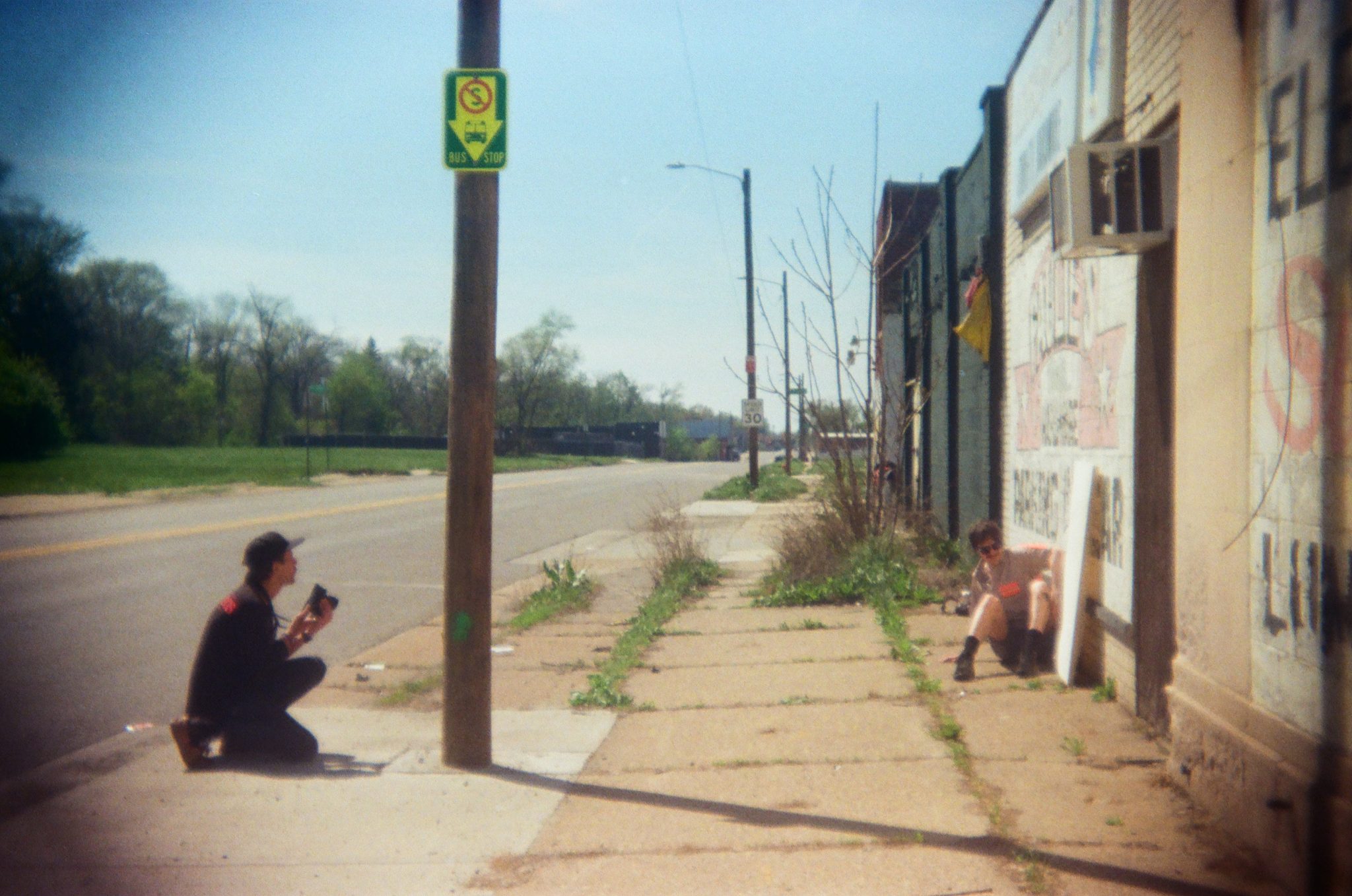
Photographer Ralph Eugene Meatyard’s idea that photography is, at its core, painting with light has always stayed with me. Weegee’s intimate fearlessness, and his willingness to get close enough to the world to actually see it, drives my instinct to get the shot rather than observe safely from a distance. Harold Edgerton’s photographic innovations opened another door for me: the idea that light and time aren’t separate concerns, but part of the same continuum. A camera doesn’t simply record what something looks like. It records light unfolding through time.
That curiosity extends all the way down to the technology itself. I’ve spent countless hours testing cameras, studying the behavior of their sensors, comparing codecs and RAW formats, examining highlight roll-off, noise, dynamic range, bit depth, color response, and finding where an image begins to fall apart. I want to know what a sensor is actually capable of, not just what the specifications say it can do.
I’m fascinated by the mechanics of film and the latitude of digital RAW files, by unusual imaging technologies like Fujifilm’s Super CCD sensors and the distinctive ways different sensor architectures interpret light. I’ve learned through relentless testing that image quality isn’t simply about extracting the maximum amount of information from a camera. Sometimes it’s about knowing when to stop, when not to push a grade any further, when not to force information into every shadow or highlight, and when to let an image breathe.
My fascination with color goes back even further. As a kid, I would sit too close to the family CRT television and stare at the individual red, green, and blue elements, wondering how those tiny points of color could disappear into a continuous image when I moved farther away. Long before I knew what color science or grading were, I was already fascinated by the strange intersection between technology, perception, and image-making.
Eventually, all of these different interests pulled me deeper into filmmaking and cinematography, where the artistic and technical sides of my brain finally began to converge.
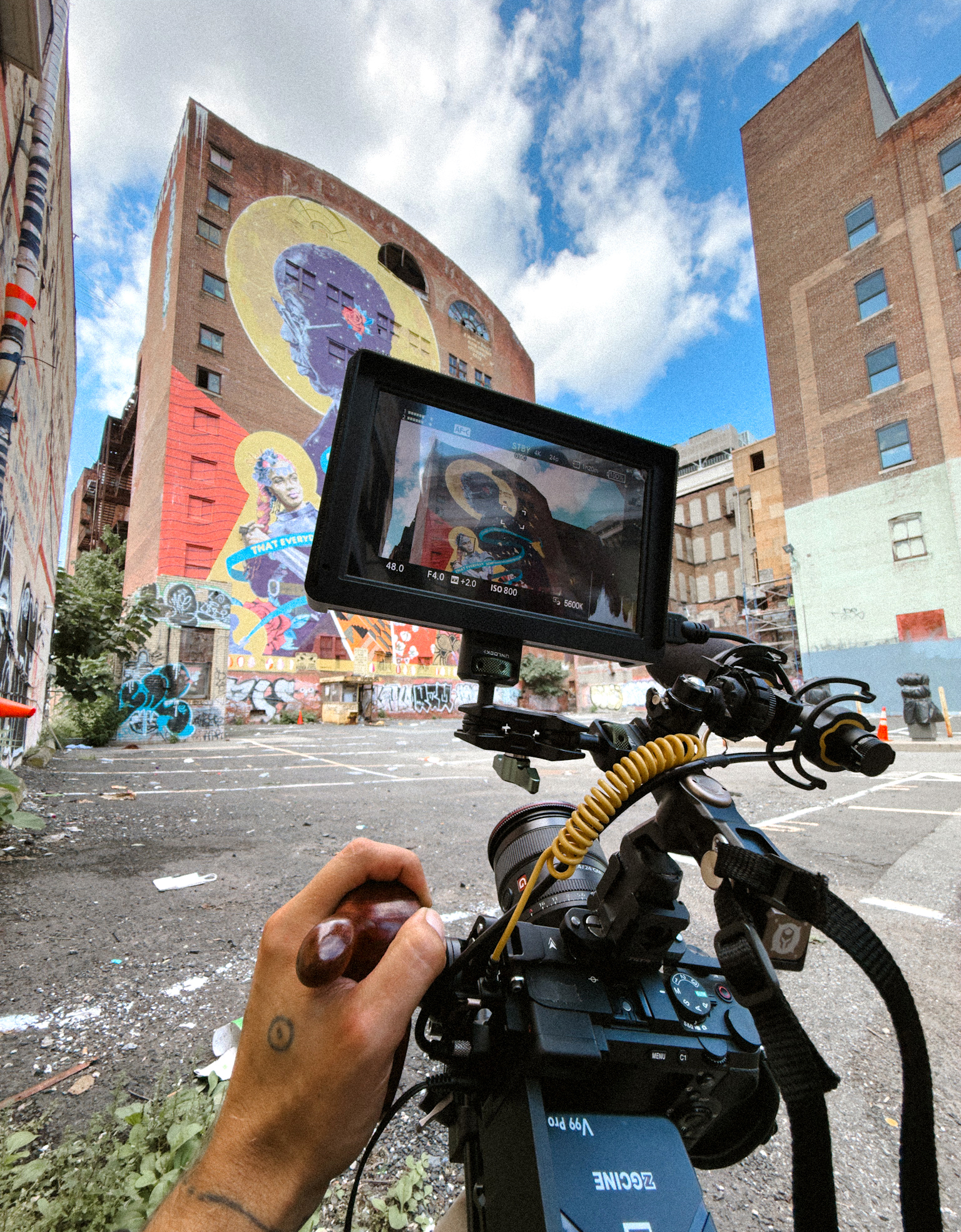
These days, I’m primarily focused on documentary work. I shoot A-camera and B-camera, interviews, observational footage, and B-roll, and I’m comfortable handling lighting and location sound when needed. I especially enjoy smaller crews, where filmmaking becomes immediate. You have to move quickly, understand your equipment instinctively, pay attention to what’s developing around you, and be ready before the moment happens.
That unpredictability is one of the things I love most about documentary cinematography. You can carefully light an interview and construct a beautiful frame, but once you step into the world, reality becomes your collaborator. You can’t completely control it, and I don’t think you should.
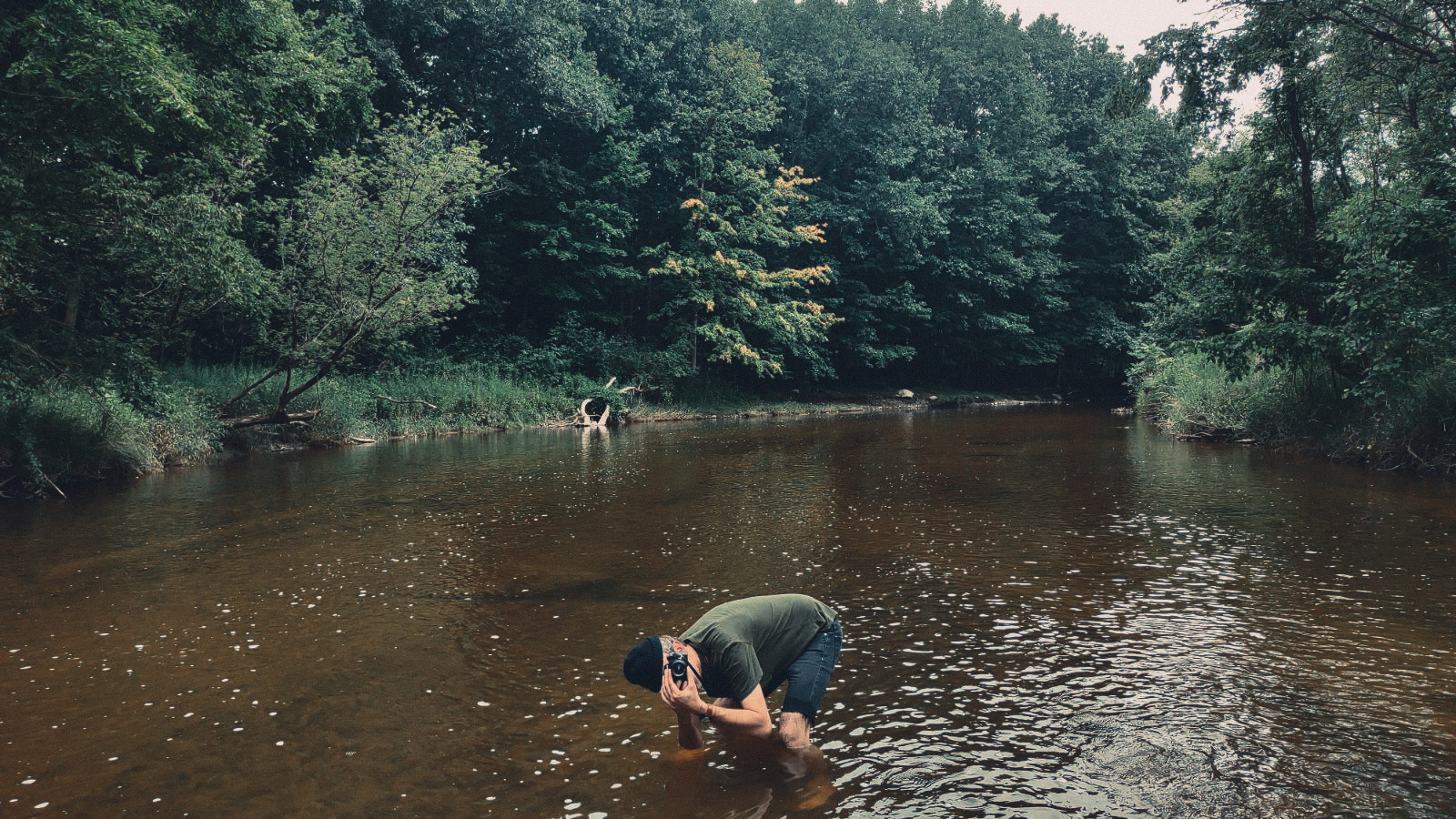
I like working handheld, following people through real environments, anticipating movement and emotion, and finding compositions without interrupting what is actually happening. The technical work, the lenses, sensors, lighting, exposure, color, and testing, is ultimately there so that when something real happens in front of me, I’m not thinking about the camera. I’m watching.
Over the years, I’ve created motion graphics for the North American International Auto Show in Detroit and Los Angeles, contributed animation to documentaries screened at the Detroit Free Press Film Festival, worked on experimental video and installation projects, and provided design and multimedia work for organizations including the David Lynch Foundation. In 2014, I was an artist in residence at Red Bull House of Art in Detroit.
More recently, I worked as a Director of Photography on Story of Art in America, traveling across multiple states filming artists, interviews, studios, public art, and the places and communities surrounding their work.
I’m especially drawn to documentaries about people, artists, subcultures, places, and stories that exist a little outside the ordinary. I want the cinematography to feel intentional and cinematic without losing the uncertainty and immediacy that make documentary images feel alive.
I’m not interested in forcing reality into a shot.
I’d rather understand my tools deeply enough, study light carefully enough, and pay close enough attention to the world that I can anticipate where things are going and be there when the moment happens.
Available for documentary features, series, short-form documentaries, artist profiles, and field production as a DoP / cinematographer.


Copyright © 2026 Joshua Alphonse Gaudette - All Rights Reserved.